
Technology we use
NON-METALLIC, NON-LEACHING ANTIMICROBIAL ADDITIVES FOR MED-TECH APPLICATIONS
The Problem with Silver-Based Antimicrobials in Medical Devices
Silver-based antimicrobial additives can leach from materials over time. In regulated applications, this can raise biocompatibility and compliance questions, especially under EU MDR expectations and ISO 10993 testing.
This is particularly relevant in med-tech and food-contact applications, where metal-based additives are facing closer scrutiny. For manufacturers, this creates a formulation challenge: they need durable antimicrobial performance without increasing regulatory risk, toxicological concerns, or validation burden.
How zetapura’s Technology Works
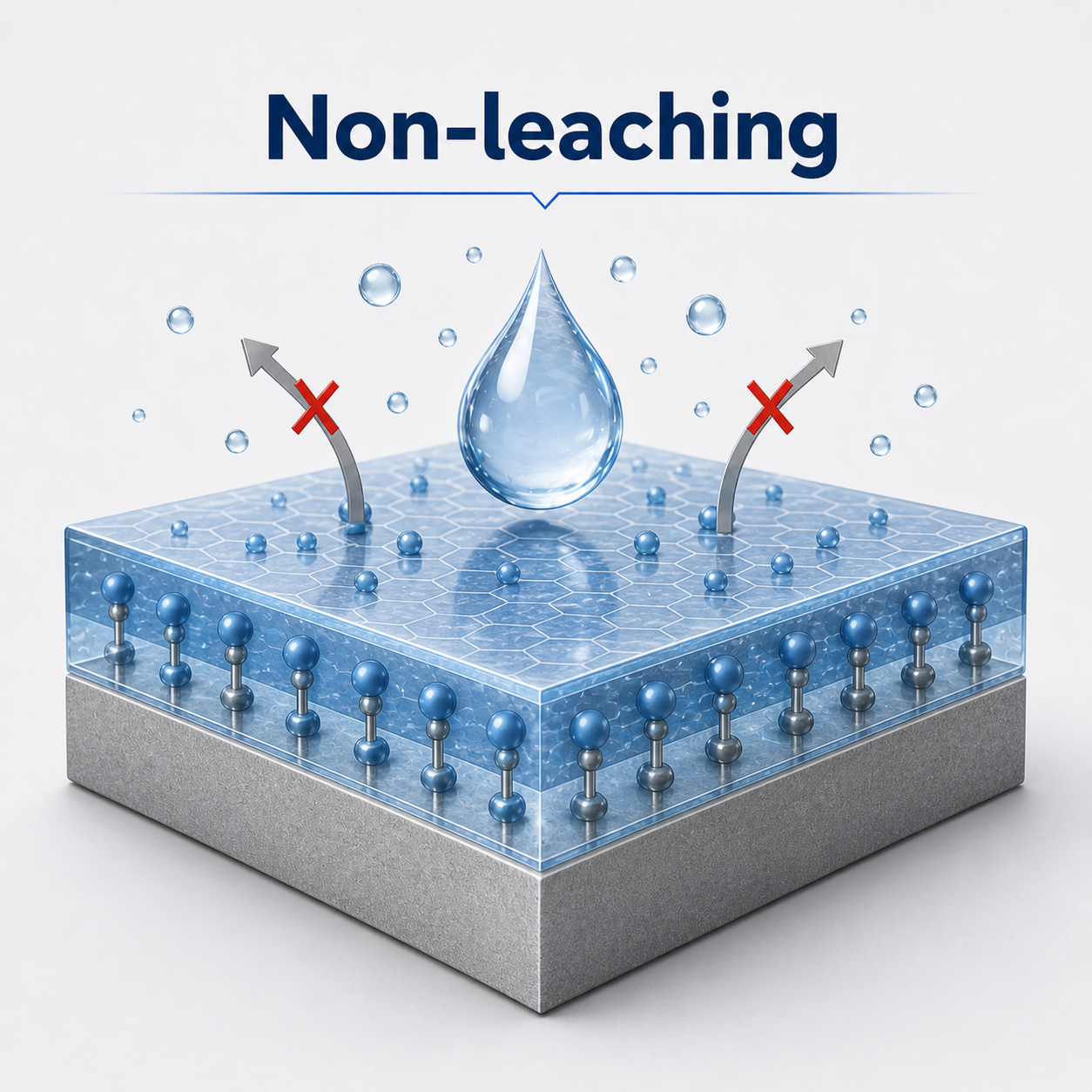
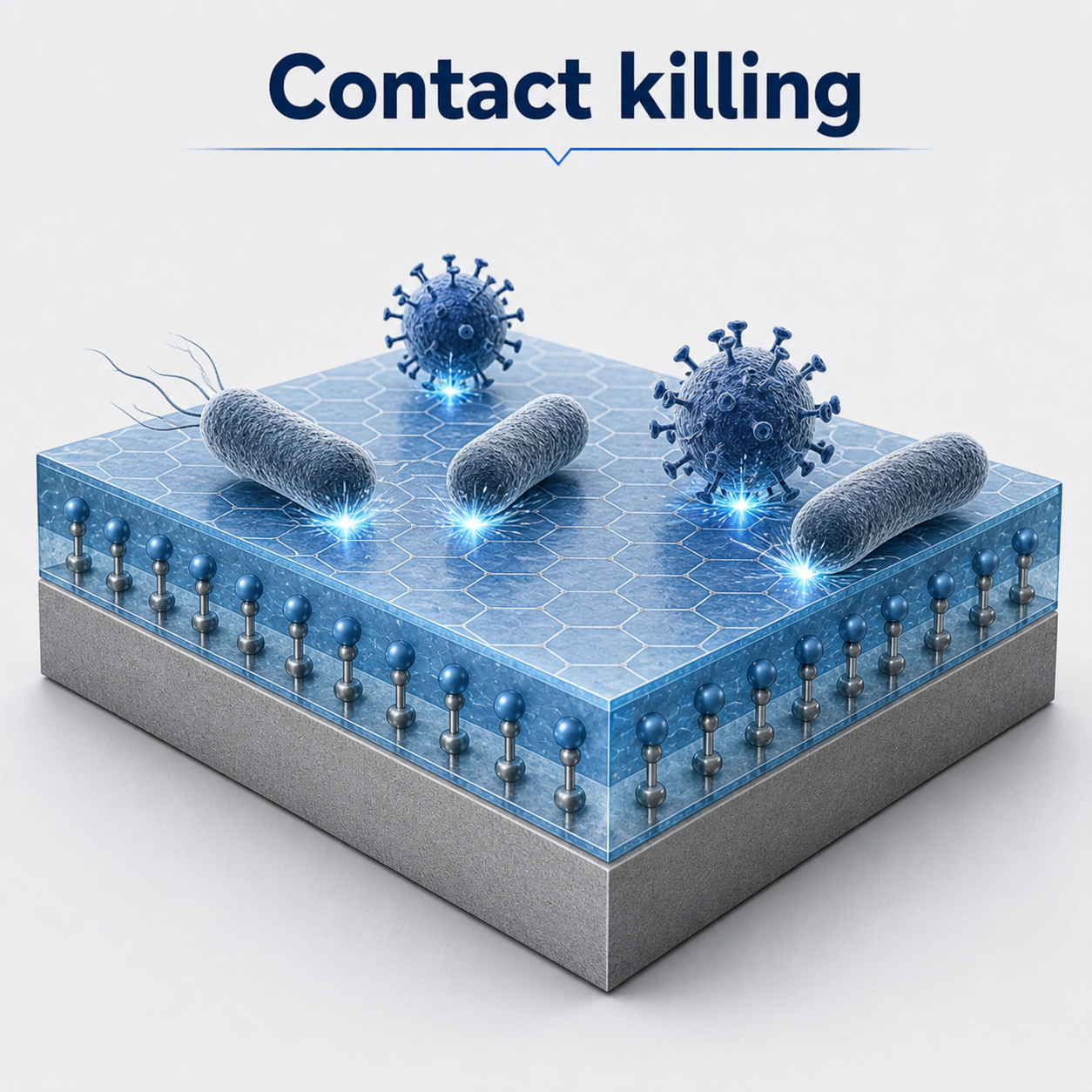
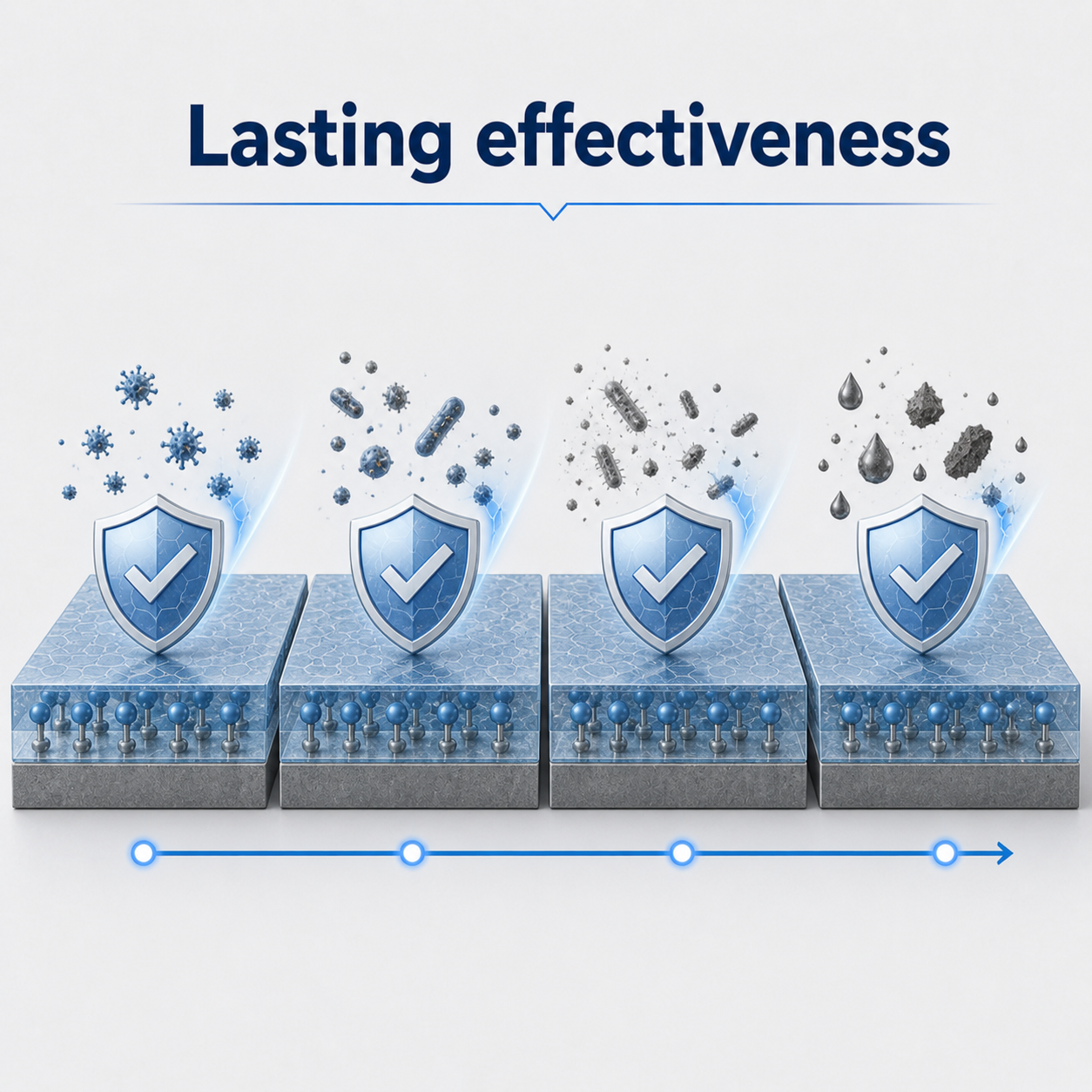
zetapura offers a flexible antimicrobial platform focused on durability, material compatibility, and scalable manufacturing. The result is are non-leaching, contact-killing, long lasting additives.
Process Ready Technology
zetapura’s platform is designed for material-level integration. The technology can be incorporated into polymers, coatings, paints, powders, and printable systems, enabling antimicrobial functionality across multiple manufacturing routes. This supports a scalable approach where one core antimicrobial technology can be adapted to different substrates, components, and application requirements.
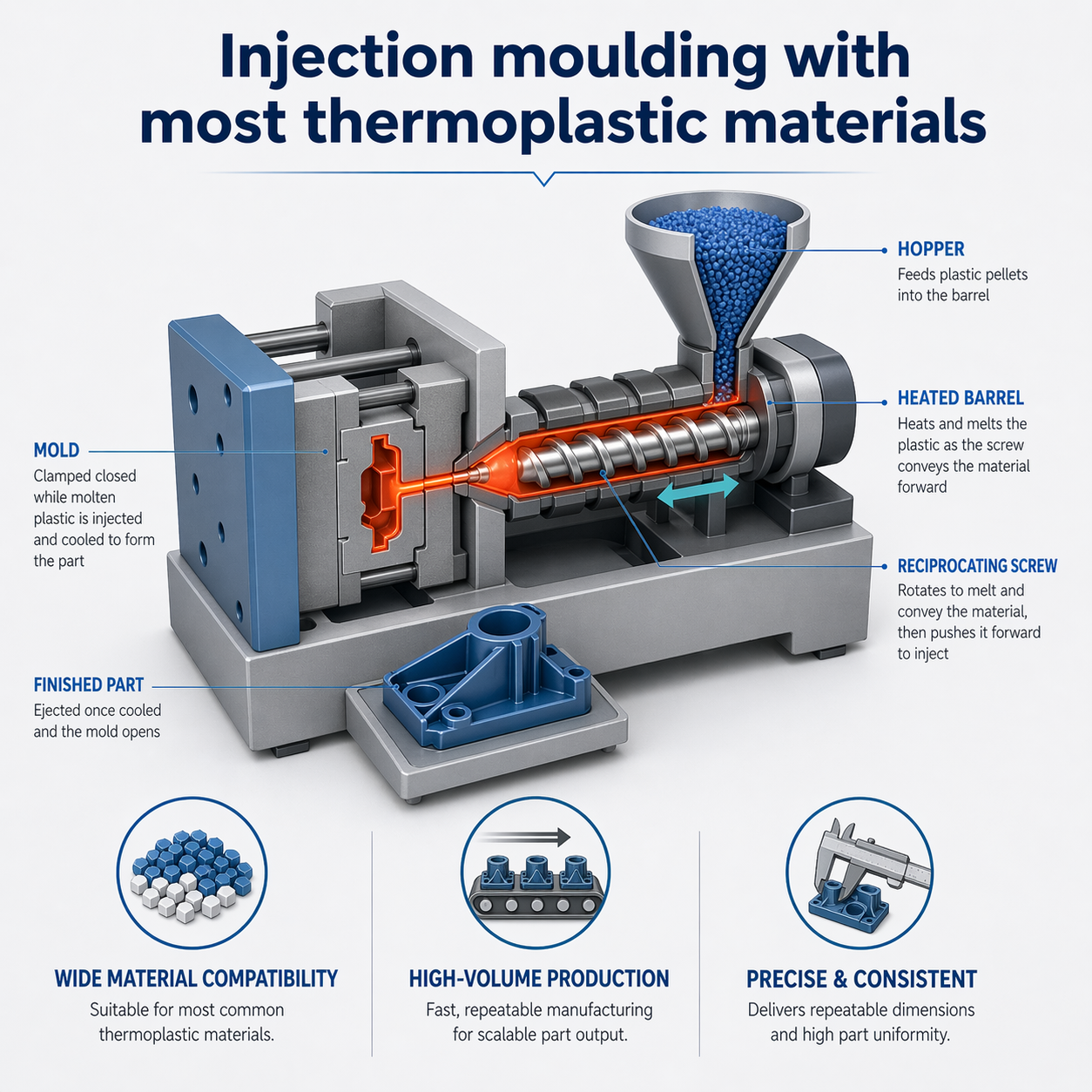
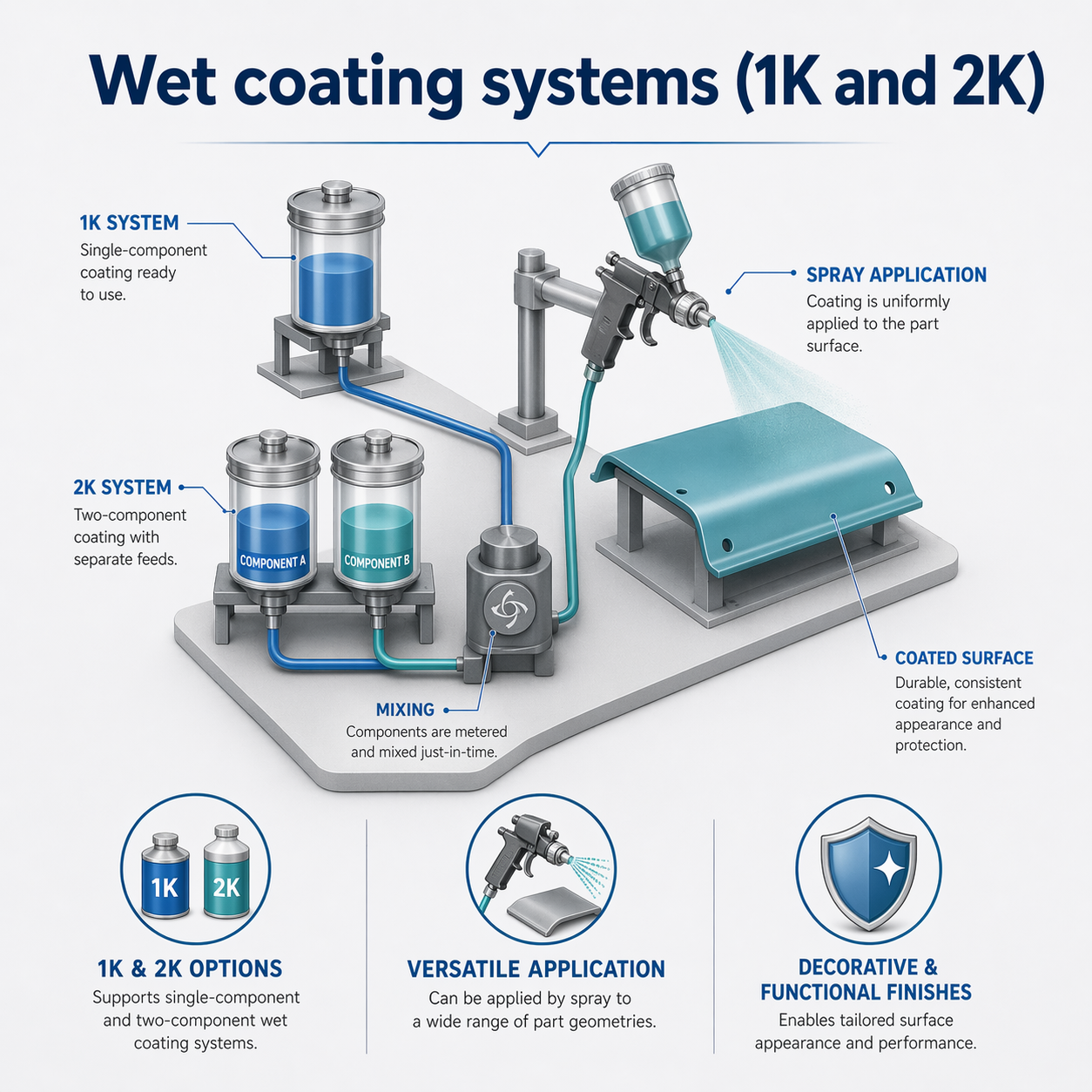
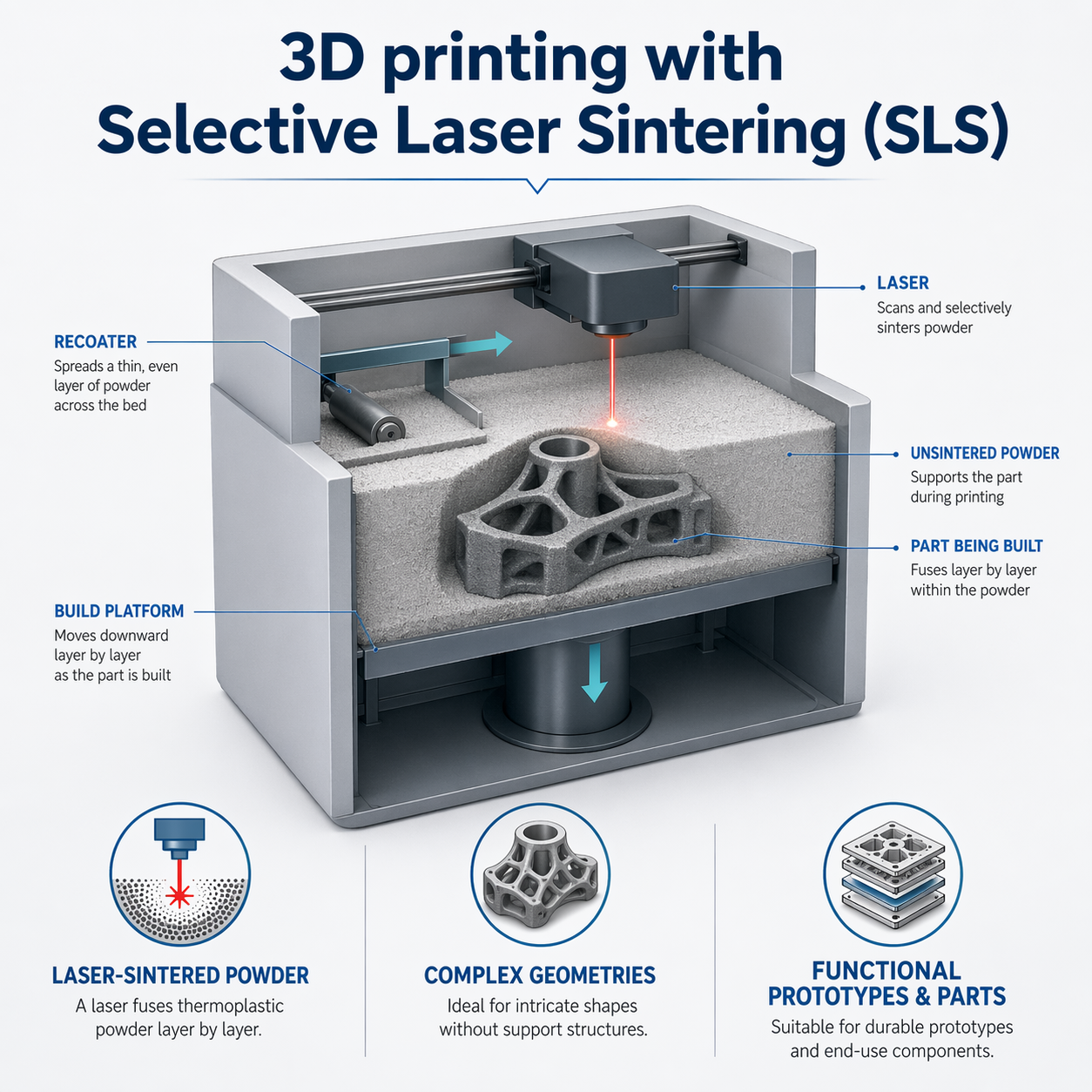
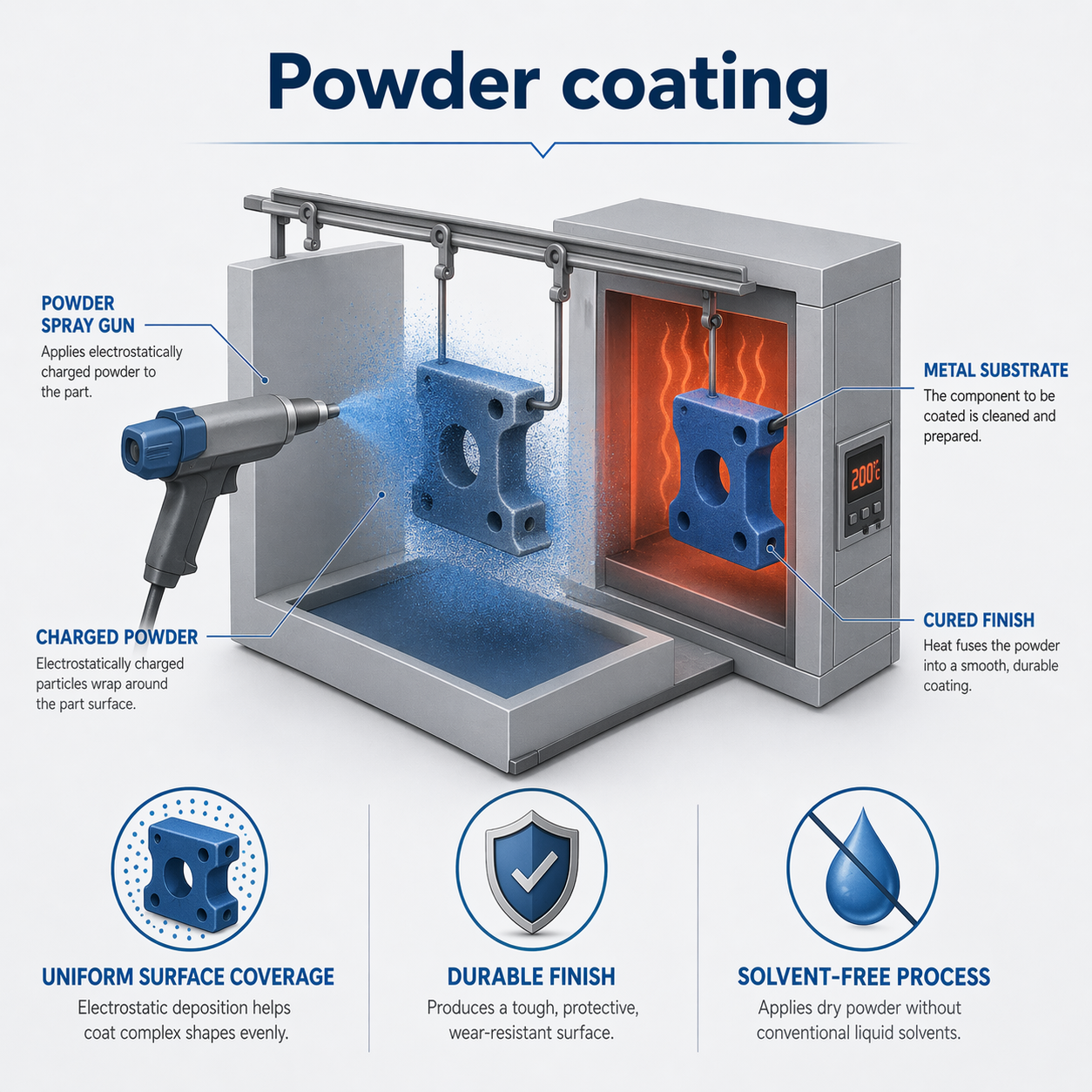
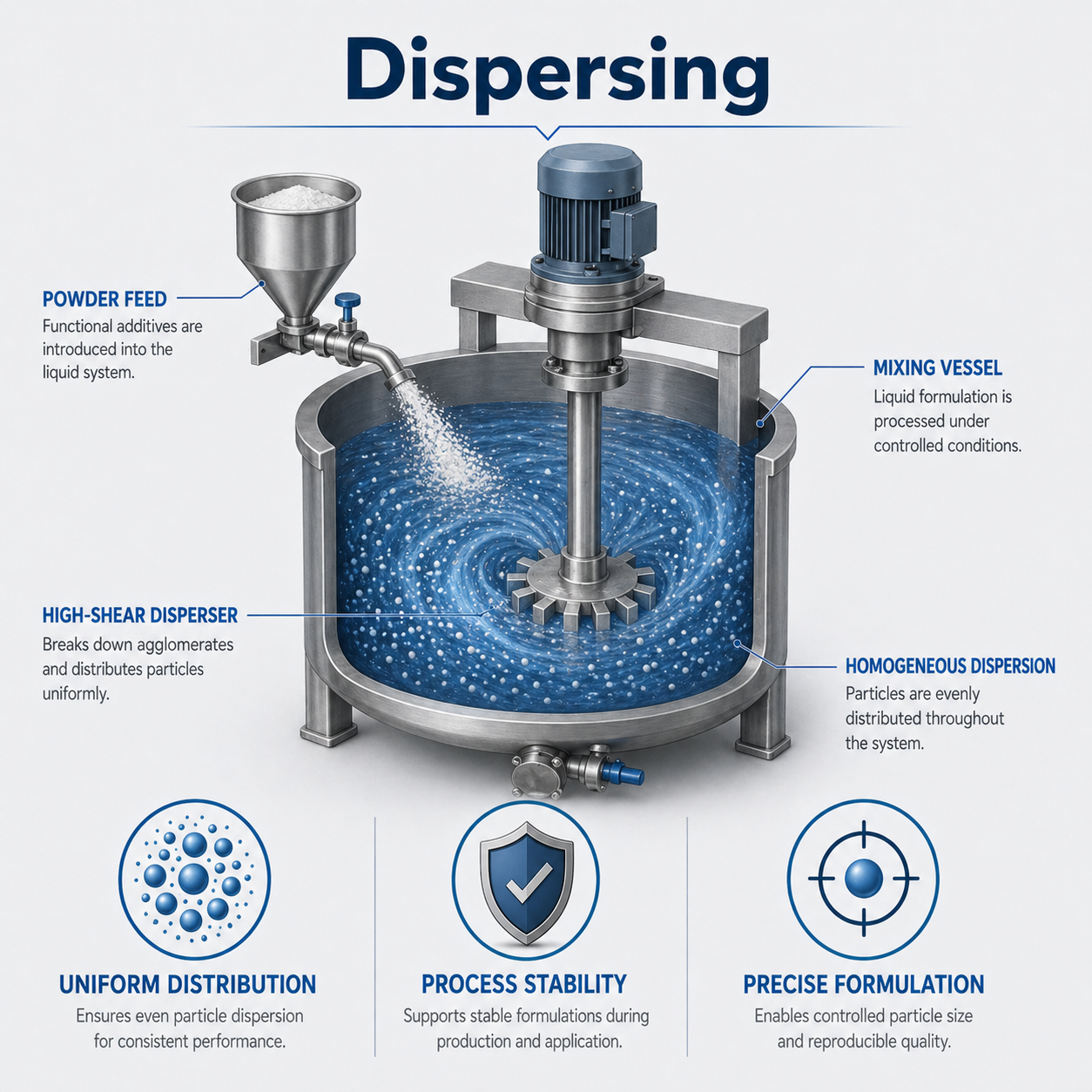
The additive can be incorporated into existing formulations by dispersion, allowing customers to add antimicrobial functionality without fundamentally changing their production setup.
Frequently Asked Questions
zetapura’s additive has been evaluated for cytotoxicity in accordance with ISO 10993-5. Due to its non-leaching mechanism — the active agent remains bound within the host material rather than releasing into surrounding media — systemic
exposure is not expected under normal use conditions. Customers requiring application-specific biocompatibility documentation can request technical support.
At recommended loading levels, the additive does not materially alter the tensile strength, elongation at break, or flexural modulus of the host polymer. Compatibility has been confirmed across [PP / PE / TPU — insert your actual list]. Customers are advised to conduct application-specific validation for critical structural components.
Silver-based antimicrobials function through ionic release — silver ions leach from the material surface over time to inhibit microbial growth. This release mechanism raises concerns in med-tech contexts: silver ions are subject to ISO 10993-1 systemic toxicity assessment and face increasing regulatory scrutiny under EU MDR. Zetapura’s technology is metal-free and non-leaching, meaning antimicrobial activity is achieved through surface contact without ionic release. This simplifies the biocompatibility documentation burden and avoids heavy metal classifications under REACH.
ISO 10993-5 is the international standard for testing the cytotoxicity of medical devices and their constituent materials. For antimicrobial additives intended for use in medical device components, passing ISO 10993-5 cytotoxicity testing is a prerequisite for inclusion in an EU MDR technical file. Many conventional antimicrobial additives — particularly silver-ion systems — face challenges at this stage because metal ions released into surrounding tissue can trigger cytotoxic responses. Non-leaching, non-metallic additives are specifically designed to reduce this risk by preventing ion migration altogether. In case qualified laboratories are needed, we may assist you.
A non-leaching antimicrobial is an active substance that is permanently bound to a material — such as a polymer, coating, or surface — and kills or inhibits microorganisms through direct contact rather than by releasing biocidal molecules into the surrounding environment. Because the active agent does not migrate out of the material, it does not deplete over time and does not pose systemic exposure risks to users or patients. This is the core principle behind zetapura’s antimicrobial additive platform: protection that stays bound to the substrate for the lifetime of the product.
ISO 22196 is the primary international standard for measuring the antimicrobial activity of treated plastic and non-porous surfaces. It quantifies microbial reduction after a defined contact period and is the standard most widely accepted in EU MDR technical documentation. ISO 22196 is functionally equivalent to the Japanese standard JIS Z 2801, on which it is based. Results are expressed as log-reduction values — a log-3 reduction, for example, indicates a 99.9% reduction in viable organisms. Zetapura uses ISO 22196 as the reference standard for surface efficacy data in customer qualification packages. In case qualified laboratories are needed, we may assist you.